Index
For decades, the marketing funnel shaped how companies understood their customers. Awareness at the top, consideration in the middle, conversion at the bottom. Simple. Predictable. Clean.
But human behavior has never been linear.
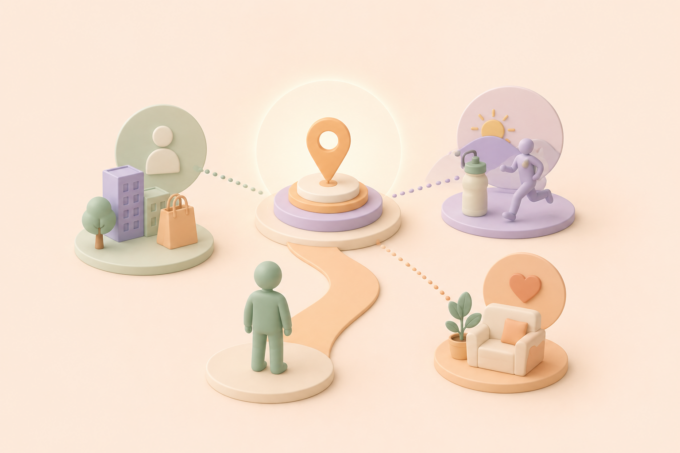
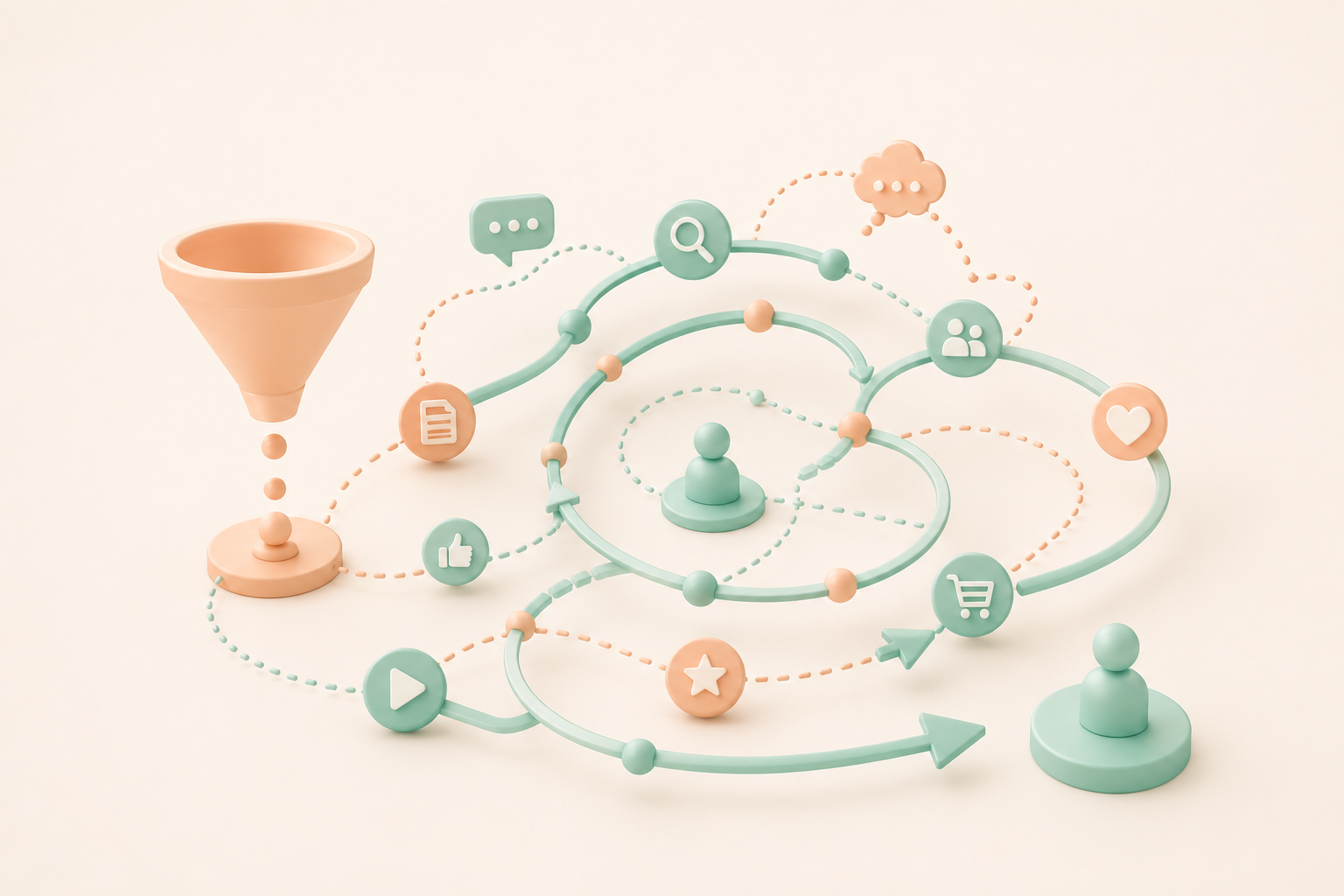
People don’t move step by step through a model we design for them. They jump back and forth, pause, restart, compare, and explore in loops. The modern customer journey looks less like a funnel and more like what Rand Fishkin describes as a pinball machine — unpredictable, reactive, and driven by the person, not the process.
What Search Behavior Reveals About Real Journeys
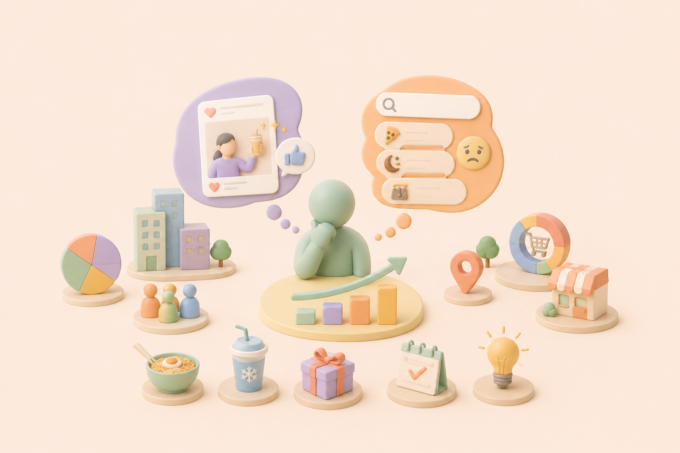
This shift becomes obvious when we study search behavior.
One person may begin with a problem, move into solutions, return to symptoms, compare options, read reviews, and then circle back to the beginning. Intent expands, contracts, and branches like an ecosystem. The journey adapts to the person — not to the model we built.
This is not chaos. It’s a pattern. And once we recognize it as a pattern, we can design for it.
The Real Problem With the Funnel
The problem is not the funnel itself. It’s the assumption that customers behave like one.
When we force a linear model onto a nonlinear reality, we design marketing that moves people toward our logic instead of supporting theirs. We optimize for our stages, not their questions. We measure conversion steps, not intent signals.
A living system approach starts with a different question: What is the customer trying to understand at this moment?
How Each Channel Changes in a Living System
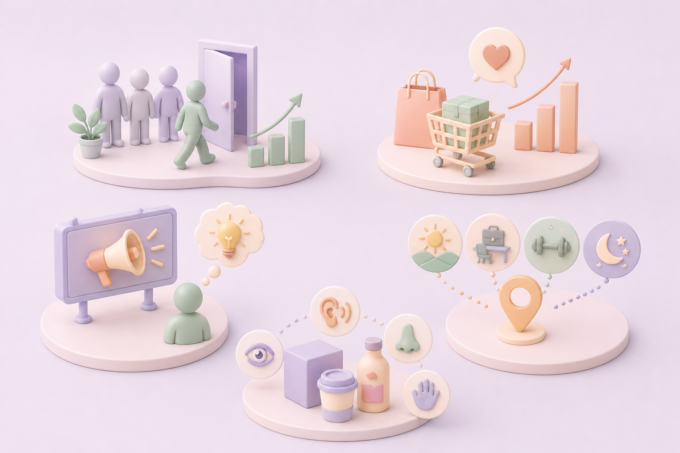
When we think in terms of living systems rather than funnels, the role of each channel shifts fundamentally.
Owned media becomes a foundation for exploration — a place where early questions find honest answers. Earned media becomes the social layer of credibility — the proof that real people trust what we offer. Paid media becomes a precision tool that supports people at the exact moment their intent is strong, rather than interrupting them before it is.
The system adapts based on where the customer is emotionally and cognitively — not where we expect them to be.
Intent Is the Fuel That Moves the System
This approach also reveals why intent matters so much. Intent is what moves people through the system.
It rises when they experience a trigger. It spreads as they explore. It concentrates when they’re ready to act. When we listen to intent rather than push people through stages, the journey stops looking chaotic. It becomes structured, predictable, and actionable — not because people follow a funnel, but because intent follows patterns.
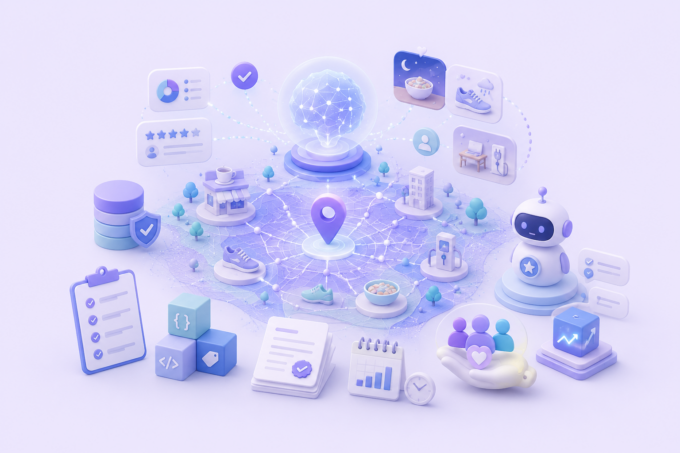
A living system is dynamic, not static. It grows as new questions emerge. It evolves as consumers learn. It reacts to signals instead of pushing assumptions.
The Funnel Has Evolved, Not Died
The funnel is not dead. It has simply evolved.
It is no longer a straight line but a flexible system of intent, behavior, and interaction. Brands that embrace this shift stop chasing customers and start guiding them — synchronizing with how people naturally move rather than forcing conversion at every stage.
The brands that thrive in this environment are the ones that ask better questions, listen more carefully, and design for the journey as it actually happens.