Discover What Triggers Action
Cluster Finder

Use Cluster Finder to reveal when, where, and why customers start wanting a product based on real search behavior. Apply those insights directly to product, packaging, and messaging strategy.

Start Free 7-Day Trial
WHY

Why Cluster Finder?

Most research tools only show what people said. Cluster Finder shows what they actually did. Use real search behavior to reveal when, where, and why customers start wanting a product. Connect those insights directly to product, packaging, and messaging strategy.

  • Real behavior, not surveys: Capture up to 20,000 related searches around a keyword to see what customers actually do.
  • Hidden opportunities:Uncover unmet needs and new customer segments competitors overlook.
  • Context revealed: Visualize demand by situation, place, and motivation (CEP · TPO).
  • From data to action: Summaries, personas, and copy ideas ready for strategy and execution.
SOLUTION

Problem · Solution · Market Insight

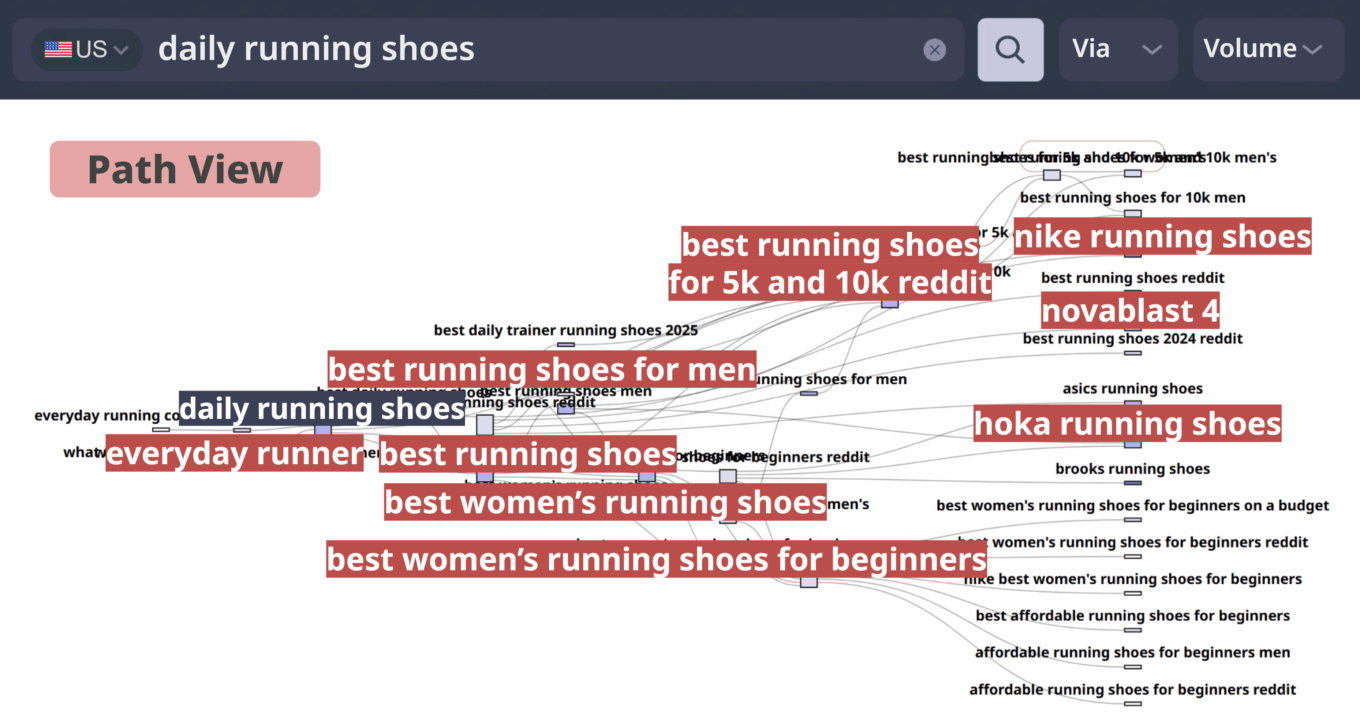
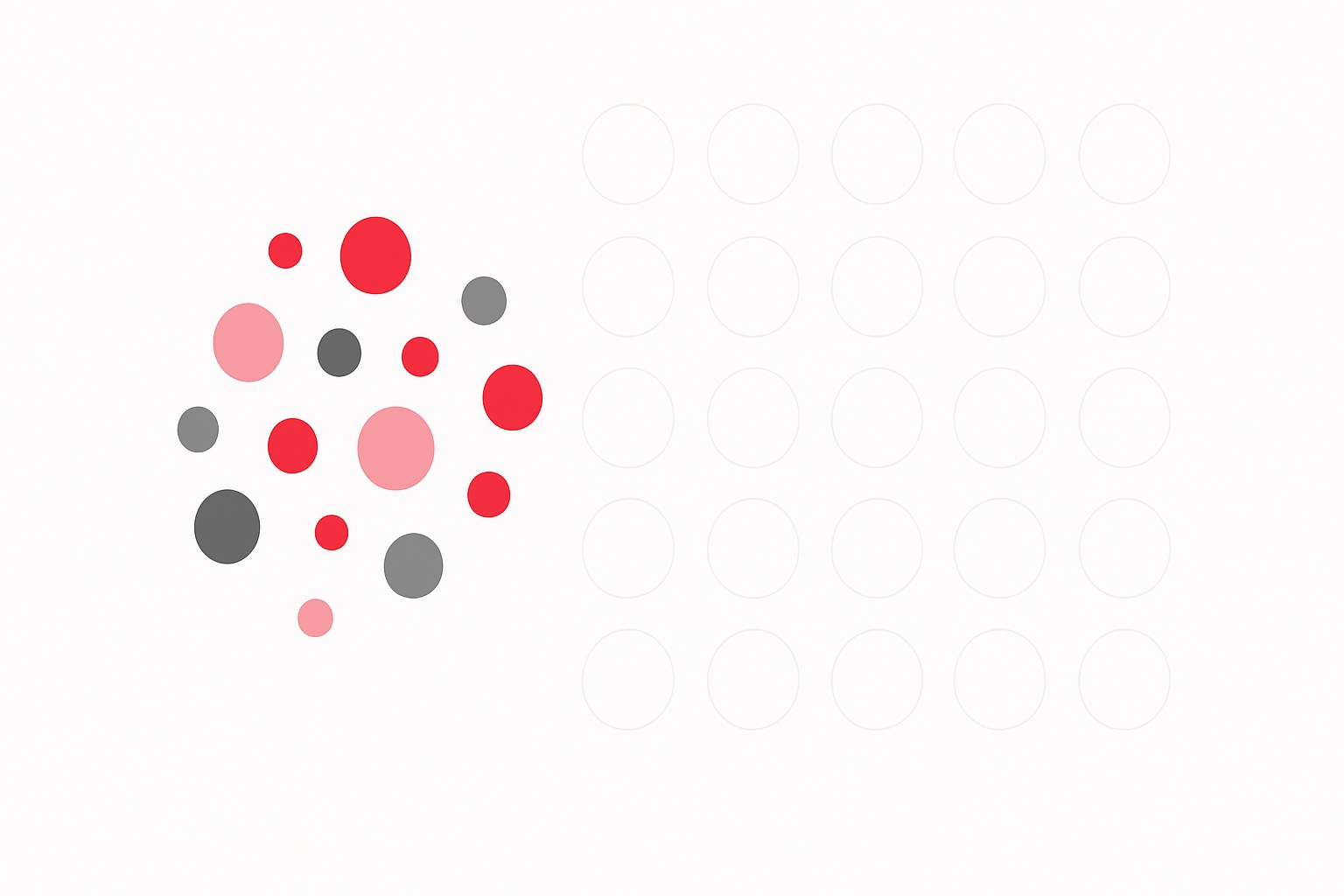
  • Problem: Surveys and samples miss the real search patterns

    When research relies on surveys and samples, you miss the micro-moments when intent actually forms and lose the timing and context that drive decisions.

    • Surveys miss intent when it first sparks.
    • CEP insights come too late, weakening timing and messaging.
    • Self-reported answers are biased.
    • Without context, new demand is hard to find.
    Problem: Surveys and samples miss the real search patterns
  • Solution: Cluster similar searches to reveal hidden connections

    Solution: Cluster similar searches to reveal hidden connections

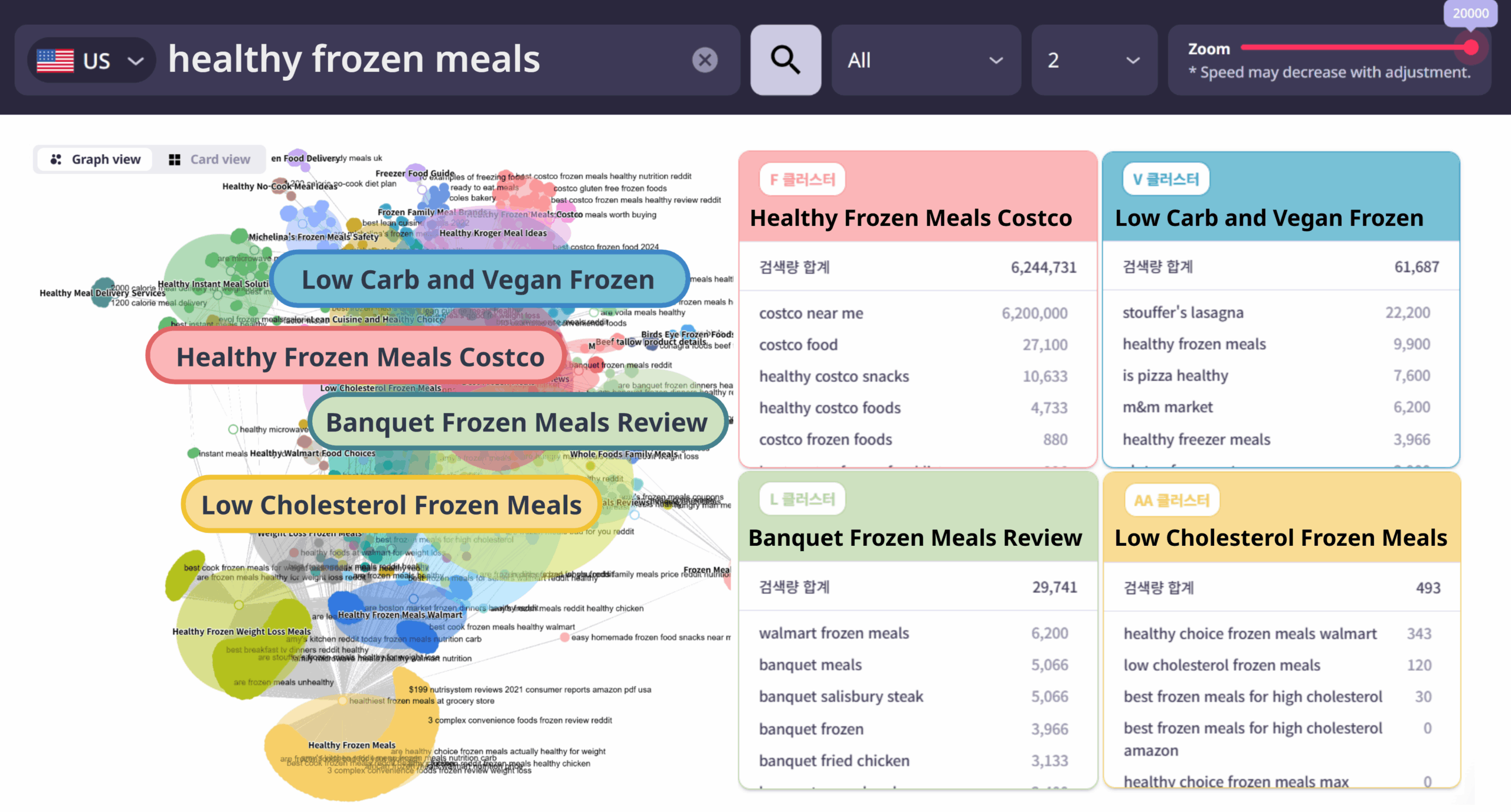
    Cluster Finder captures the “buy button” hidden in search journeys, clustering thousands of related queries to reveal when, where, and why customers are ready to act.

    • Capture intent directly from actual search behavior
    • See CEPs in real time to sharpen timing and messaging.
    • Replace biased survey data with behavior-based insights.
    • Reveal real-life situations and motivations behind demand.
  • Market Insight: Discover hidden opportunities and new segments.

    By visualizing the contexts behind intent, you uncover hidden demand signals, discover new segments, and stay ahead of lifestyle and market shifts.

    • Spot new demand signals competitors haven’t noticed.
    • Discover hidden segments and unmet needs to expand growth.
    • Shape smarter creative and media strategies with clear triggers.
    • Anticipate lifestyle shifts early and seize first-mover advantage.
    Market Insight: Discover hidden opportunities and new segments.
FEATURES

Key Features

Turn thousands of scattered searches into clear consumer insights. Cluster Finder collects and organizes real behavior, then translates it into strategies you can use right away.

  • Large-scale Clustering preview

    Large-scale Clustering

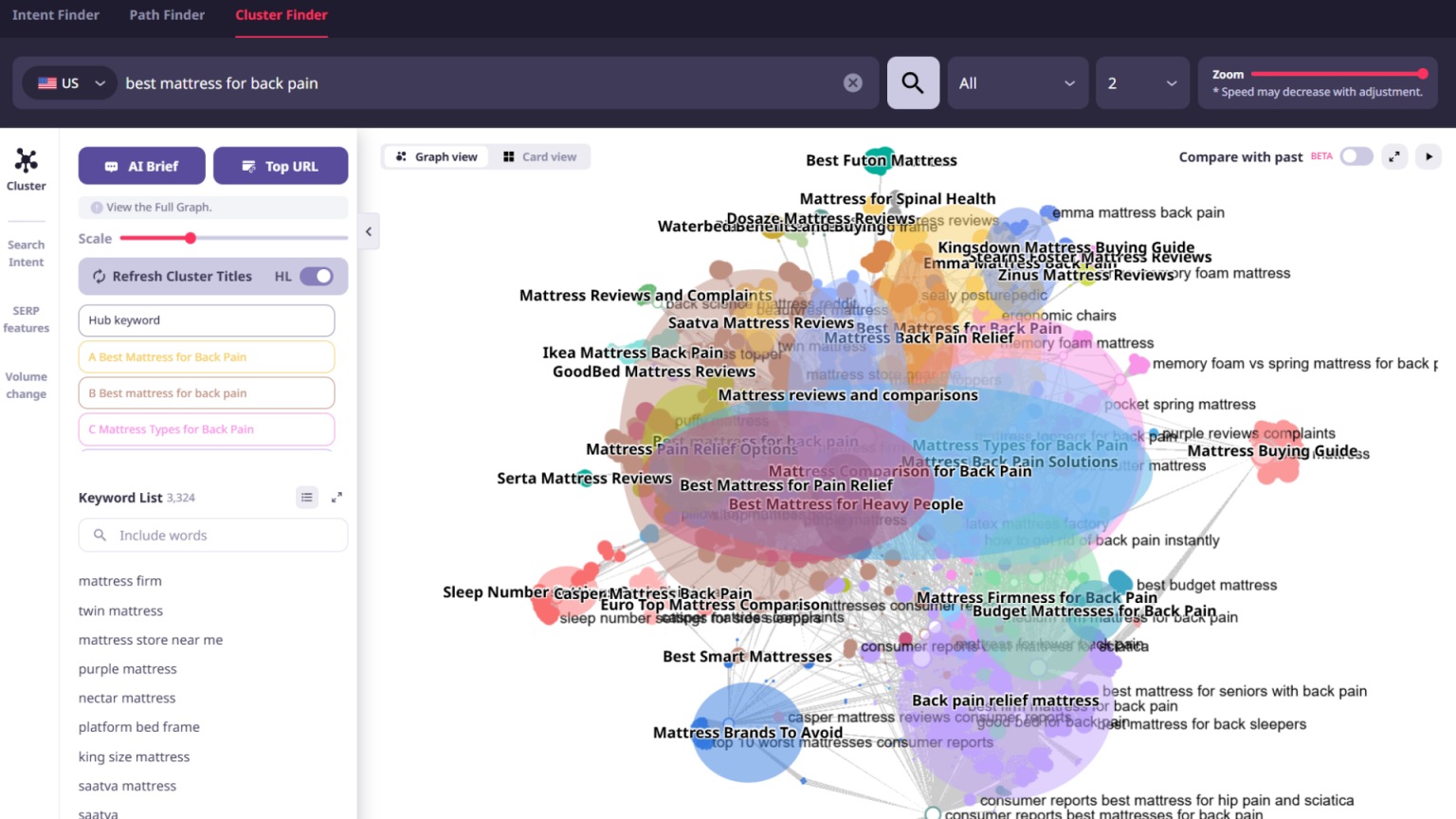
    Analyze up to 20,000 searches around a seed keyword (1–3 steps before and after). Automatically group by shared purpose or context to expose hidden connections in consumer needs.

  • Top URL & Domain Analysis preview

    Top URL & Domain Analysis

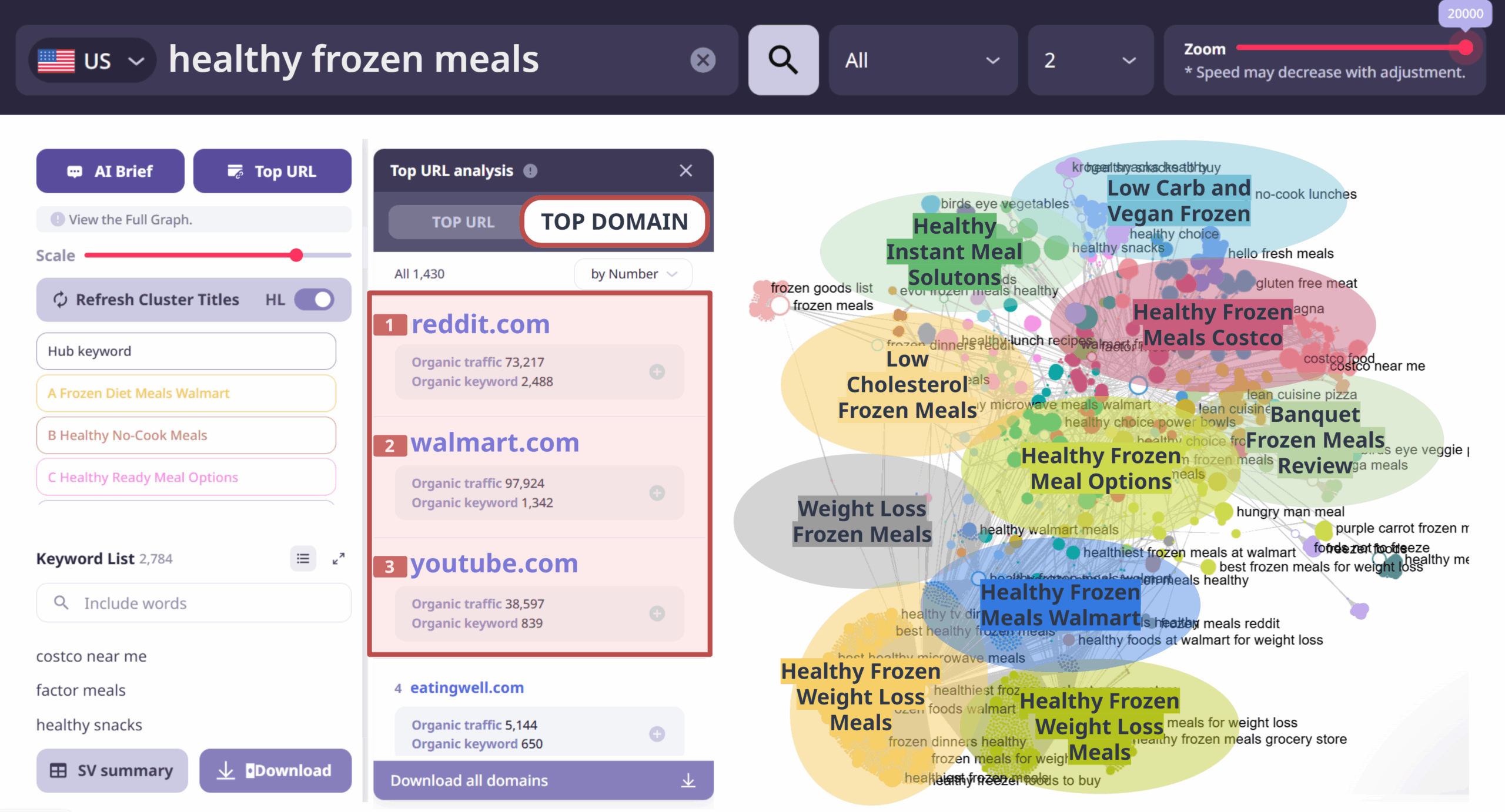
    See which domains and content formats dominate each cluster. Pinpoint where audiences spend attention and identify the strongest points for media and creative execution.

  • AI-powered Review preview

    AI-powered Review

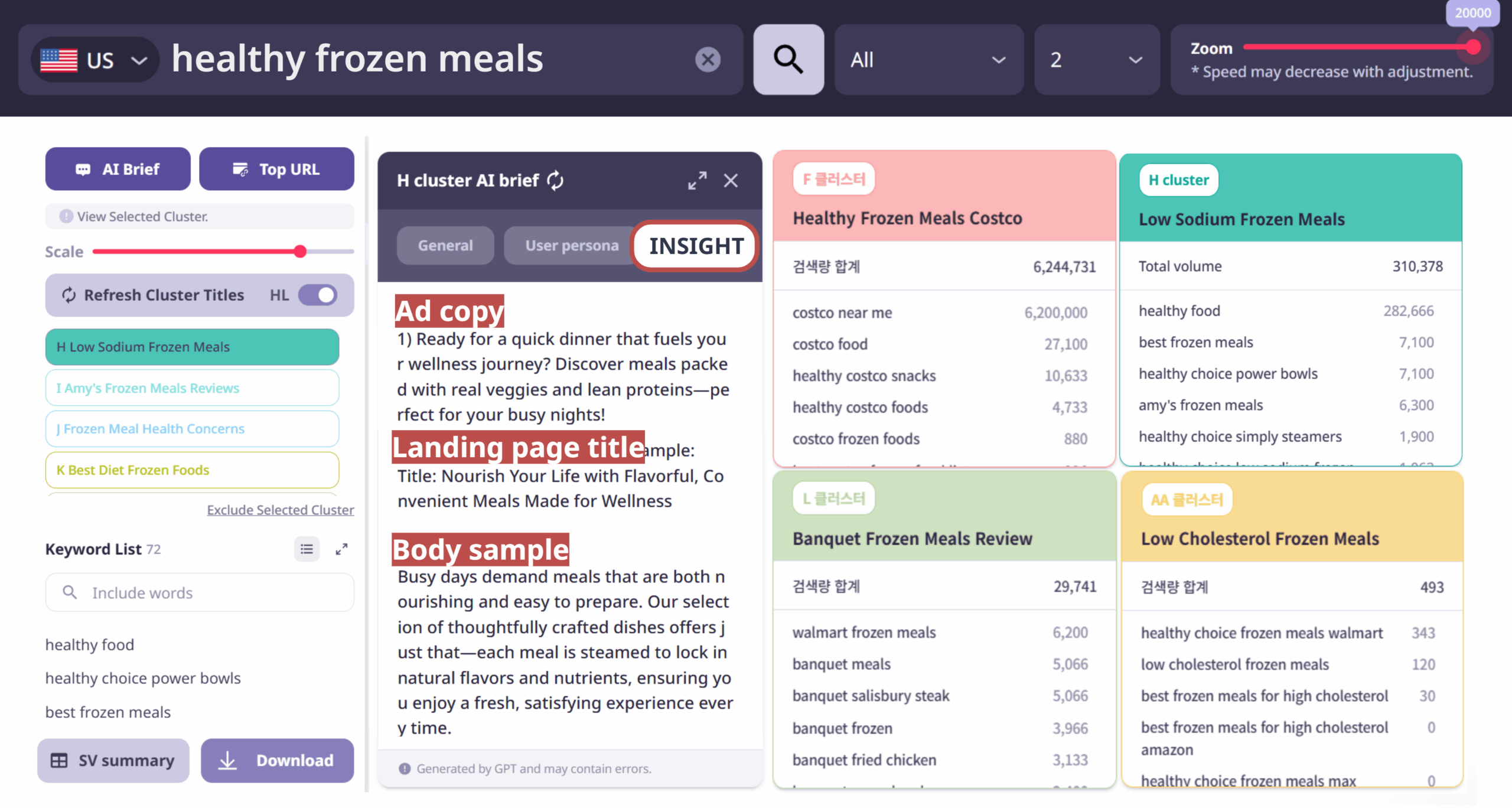
    Instantly generate summaries, persona outlines, copy directions, and draft campaign briefs, so insights move straight from data to action.

From Insight to Action: Real Market Examples

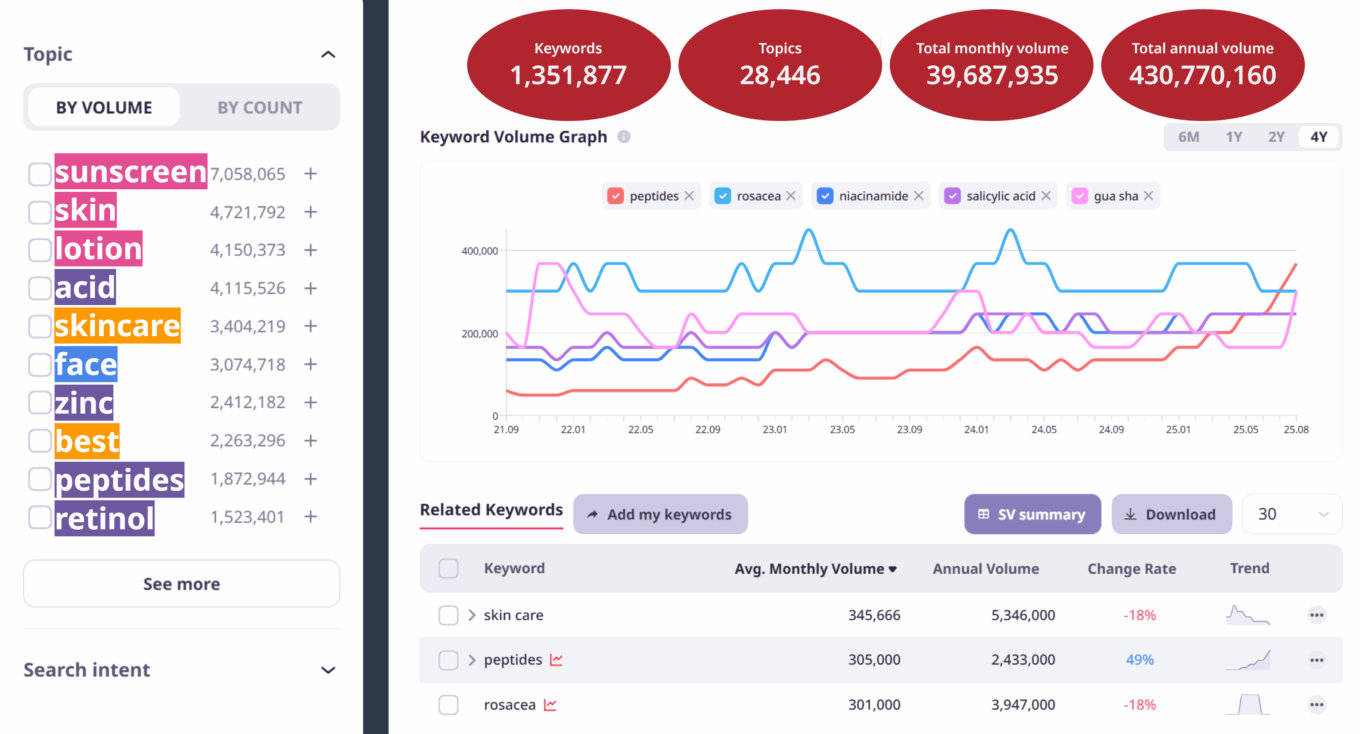
Identify hidden CEPs and new consumer segments with cluster analysis, supported by blog insights, landing pages, and case studies.

US Sunscreen Market Insights

Search data shows two clear personas: one group actively looks for sunscreens with bronzer benefits to achieve a safe, sun-kissed look, while another seeks tanning protection products to prevent skin darkening altogether. These opposing clusters reveal how sunscreen buyers split between beauty-driven goals and health-driven concerns.

Read the full analysis →
FAQ

Cluster Finder What is the reference period for the search results?

Since the graph results in Cluster Finder are constructed based on Google SERP (Search Engine Results Page) data, the update cycle of the SERP directly influences the refresh rate of the results.

For KR data, most SERPs are re-collected within 1 to 2 months. Therefore, you can generally consider the data timeframe of the results to be within the most recent month from the inquiry date. However, please note that some connected keywords may occasionally include data collected within the past year.

Practical Tip:

You can check the exact collection timeframe for a specific keyword by clicking on it. Access the SERP History within the keyword information to identify the precise date of collection.

Cluster Finder What do the size, position, and distance of the clusters signify?

Cluster Finder is a network graph that visualizes the correlation and search volume between various keywords.

  • Circle (Node) Size: The size of each circle is proportional to the search volume of that keyword. A larger circle indicates a higher volume of search demand, helping you immediately identify high-traffic keywords.
  • Distance and Position between Circles: The layout and spacing between nodes are determined by an algorithm designed to maximize readability. The physical distance between circles does not carry a specific analytical meaning.
  • Highlighted Circles in Cluster Names: When a cluster name is generated, certain circles may be highlighted to represent the group. The size of these specific highlights does not carry analytical significance.

Cluster Finder What is Top URL Analysis?

This feature reveals which URLs and domains consistently appear at the top of search results for the keywords analyzed in Cluster Finder. It allows you to identify which platforms have the greatest digital influence on consumers. This data serves as a critical reference for media planning, influencer selection, and determining which e-commerce platforms to enter.

  • Note: This data reflects Organic Search results only. Paid advertisements, such as Search Ads or Power Links, are excluded from this analysis.

Strategic Insights & Practical Tips:

  • Identify Market Leaders: Pinpoint which specific URLs or domains dominate the search visibility for your target keywords.
  • Optimize Media & Content Strategy: Use data on high-impact media outlets and sites to inform your Media Planning, Content Strategy, and Influencer Partnerships.
  • Keyword Deep-Dive: Click the ‘+’ button next to any URL to view the full list of keywords that are driving traffic and visibility to that specific page.

Cluster Finder What insights can I derive from the results screen?

① Cluster Graph

  • Clusters: Keyword groups bundled by similar search objectives or intents, displayed by color.
  • Hub Keywords: Key terms with high connectivity within the entire dataset.
  • Connection Lines: Visualizes the relationships and flow between keywords.

② Cluster Resolution Adjustment

Increasing the resolution breaks down a single cluster into more detailed intent groups.

  • Example: A cluster of 37 keywords at medium resolution can be split into 61 more specific groups at the highest resolution.

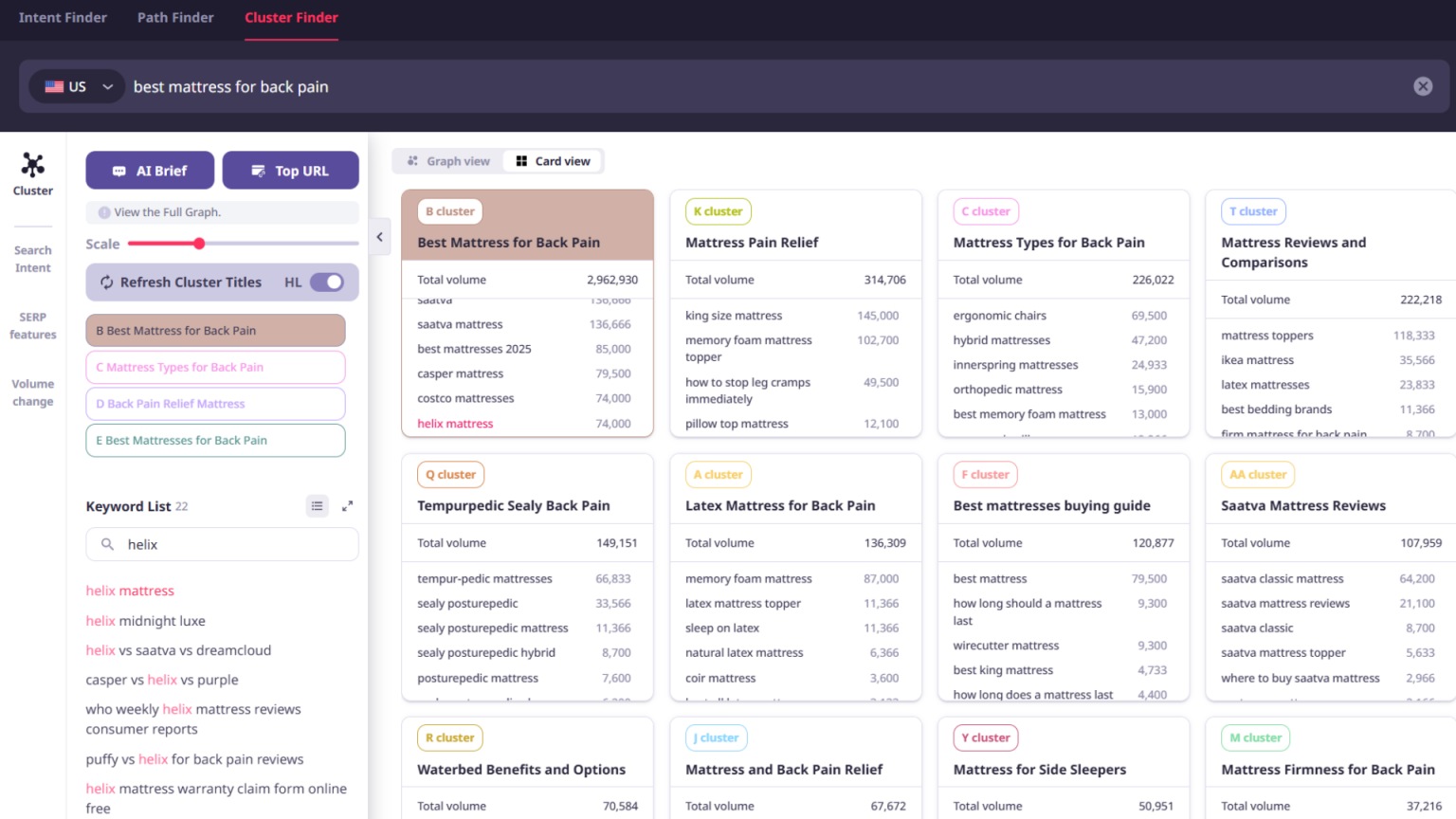
③ Card View

Clusters can be viewed in a card format sorted by Monthly Average Search Volume. This is useful for identifying the priority of core keywords.

④ Cluster/Keyword Exclusion

You can temporarily exclude unwanted clusters or keywords from the results, allowing you to focus only on the data necessary for your analysis.

Cluster Finder What settings can I adjust?

① Search Path Direction

  • Before & After Search: Synthesizes and displays both preceding and succeeding keywords.
  • After Search: Tracks and displays keywords searched after the input keyword.
  • Before Search: Tracks and displays keywords searched before the input keyword.

② Search Steps (Levels 1–3)

Sets the range of steps before and after the input keyword.

  • Example: If set to ‘Level 2’, the tool will display keywords up to two steps before and after your input keyword.

③ Zoom

You can adjust the Zoom to control the limit of the search results range.

If the search results are insufficient or excessively numerous, you can adjust this option to the appropriate level for optimal viewing.

Cluster Finder What is Cluster Finder?

Cluster Finder is a tool that collects over 10,000 related search terms linked before and after a specific keyword and visualizes them into groups (clusters) with similar search intents or objectives. This allows for a broad understanding of consumer interests and market needs.

Analyzing tens of thousands of search keywords individually is nearly impossible. Cluster Finder uses AI to automatically analyze fragmented data and group keywords with similar concerns or contexts into large “intent clusters.” Moving beyond simple frequency—”which words were searched the most”—it serves as a strategic map that shows at a glance, “What themes are people currently most interested in within our brand’s category?”

See More Features

Discover the “why” behind every search

Experience intent-driven analysis with a free 7-day trial.