Index
AI is rapidly changing how people discover, evaluate, and choose brands.
Just as search engines once redefined marketing by organizing information around keywords, AI agents are now reorganizing it around intent.
In this new landscape, awareness alone no longer guarantees visibility.
An AI agent doesn’t promote the most familiar name—it recommends the brand that best fits a user’s situation and need.
This article explores why brand positioning must evolve from exposure to contextual relevance, introducing a new model where brands are recognized not as names but as coordinates on the map of consumer intent.
How AI Is Reshaping Marketing
AI is rapidly transforming how we live, work, and make decisions, and marketing is at the center of that change. Very soon, AI agents will guide consumers through every step of their decision journey: discovering options, comparing features, and even completing purchases on their behalf.
Within companies, marketing workflows are being rebuilt around these agents as well.
Campaign planning, audience segmentation, creative testing, and reporting are all moving toward agent-assisted automation.
This shift forces every brand to ask a new, unsettling question:
“When AI agents start recommending products, why, and in what context, should they choose our brand?”
In the coming AI-first environment, it won’t be enough to be known; brands will need to be relevant.
An agent doesn’t care how familiar your logo is — it cares whether your brand matches the user’s intent at the precise moment of need.
From Brand Awareness to Contextual Relevance
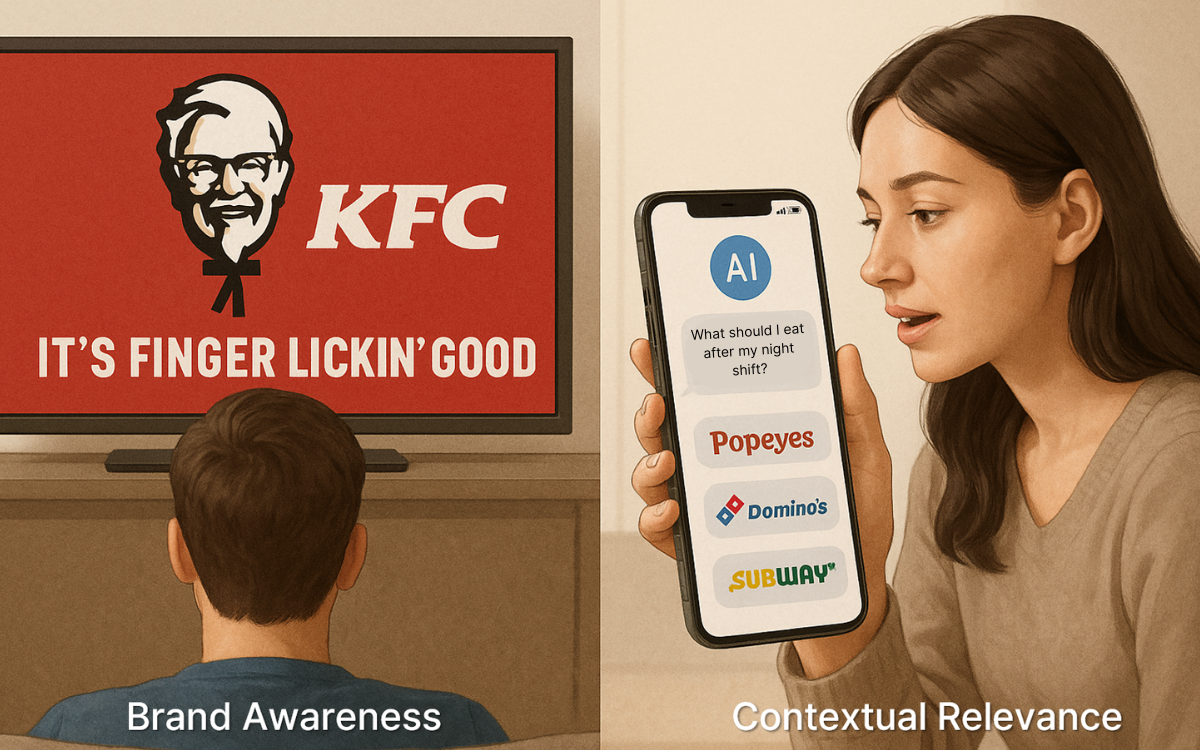
For decades, branding has been understood as the work of being recognized, building awareness, repeating a logo, and embedding a name in consumers’ memory through exposure. But in the era of AI agents, awareness alone won’t make your brand discoverable.
The real question is no longer “Do people know us?” but “When and why are we relevant?”
AI agents interpret the world through context, not repetition.vWhen a user says, “Find me a light meal after a late shift,” the agent doesn’t care which brand bought the most ad impressions, it looks for the one that fits that exact situation.
Even a famous name can be ignored if it doesn’t solve the user’s intent in that moment. That’s why modern branding is shifting from a battle of visibility to a battle of contextual fit, the ability to appear naturally when an AI (or a person) asks for help.
ListeningMind helps brands map and measure these “moments of relevance.” It surfaces Category Entry Points (CEPs), the “when,” “why,” and “what-for” behind every search, revealing the precise coordinates where your brand needs to appear.
Brands Are Coordinates, Not Names
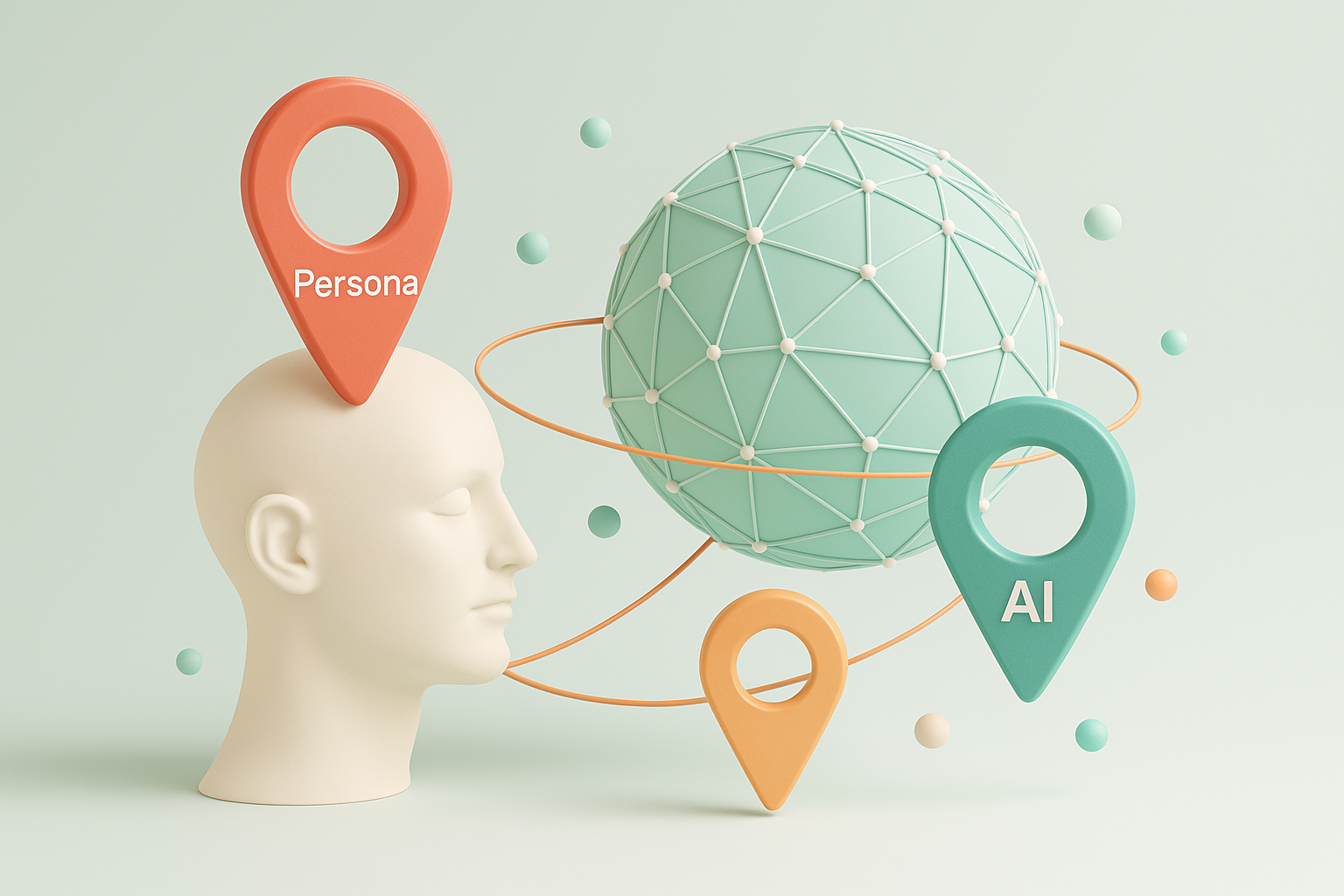
In the AI era, a brand is no longer just a name, it’s a coordinate.
That may sound abstract, but it’s actually how both human memory and AI systems work.
Our brains don’t store brands as a tidy list, we remember them as maps of experiences and situations.
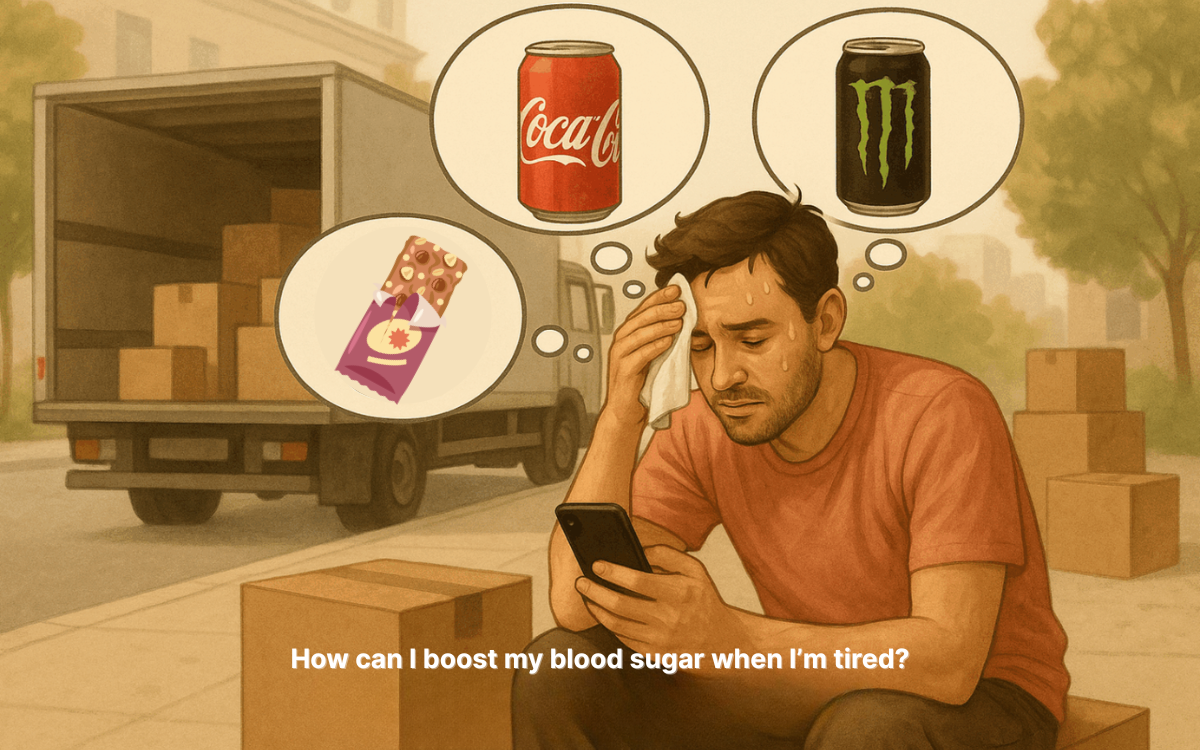
Think about it: when you’re tired and need quick energy, what pops up first? Red Bull, Gatorade, maybe a protein bar. Or when you need something delivered by tomorrow morning, you think Amazon Prime or Instacart Express.
These aren’t random associations; they’re contextual coordinates tied to specific needs and emotions.
Each brand occupies a distinct location in the consumer’s mental map, one shaped by use cases, timing, and purpose.
AI agents operate in much the same way. When users describe what they need, the AI retrieves the brands that sit closest to that intent on its internal “semantic map.” In other words, brands that align naturally with context get called first.
Your job as a marketer is to strengthen those coordinates, to make sure your brand isn’t just recognized, but also relevant when intent strikes. That’s how you ensure your name surfaces not just in memory, but in the agent’s recommendation list.
Positioning in AI’s Semantic Space
AI systems understand the world in ways that aren’t so different from us. Just as people remember brands through associations and experiences, AI builds its own semantic space, a multidimensional map of meaning.
Every word, image, review, and conversation becomes a data signal that the AI converts into coordinates.
When a user asks, “Recommend a quick energy drink for hiking,” the AI doesn’t simply pull a list of popular products. It calculates which brand sits closest to that intent on its internal semantic map, which has the highest contextual similarity.
In the past, branding meant carving your name into the consumer’s memory. Today, it’s about anchoring your brand deep within the AI’s map of meaning, ensuring that when people (or agents) describe a need, your brand sits within reach of that query.
To do that, brands need rich, consistent evidence that reinforces their coordinates- trusted product data, authentic user reviews, contextual use cases, and performance stories. The stronger these connections, the higher the likelihood your brand will surface, not because it’s loud, but because it’s relevant.

Intent Data: The New Fuel for Brand Strategy
Before the internet, media channels acted as the bridge between consumers and brands — shaping what people discovered and when.
During the search era, Google became the meta-medium, detecting intent through keywords and connecting people to information and products.
Now, in the age of AI agents, that role is shifting once again.
AI no longer waits for consumers to search — it anticipates what they need, interprets their language, and offers tailored options before they even open a browser.
In this new landscape, intent data becomes the currency of visibility.
Rather than relying on impressions or reach, brands must understand why and when people look for solutions — and how those needs evolve in context.
AI agents learn from signals like search queries, product reviews, and conversations to infer intent.
To stay visible, brands must feed these systems rich, verifiable intent data:
real-world use cases, performance metrics, customer language, and contextual proof that your product fits the job to be done.
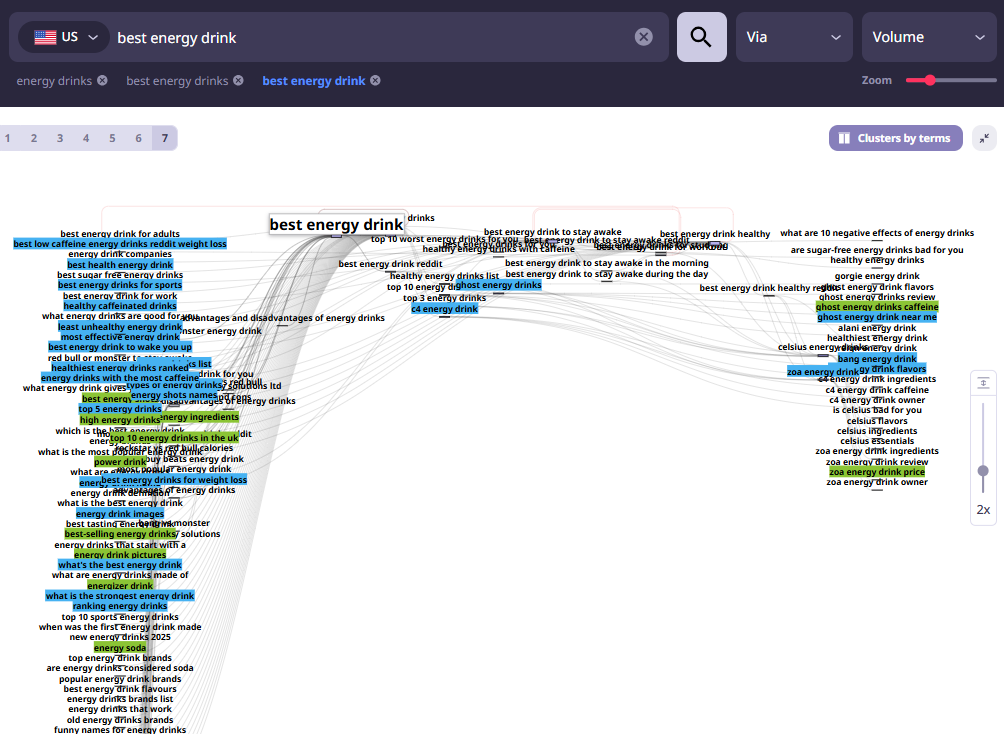
ListeningMind’s Intent Finder and Path Finder tools visualize these relationships in real time.
They reveal how intent evolves — from early curiosity to purchase consideration — and show exactly where your brand can become the most relevant recommendation within the AI’s ecosystem.
Survival Strategies in the AI Agent Era
From a brand’s perspective, the rise of AI agents doesn’t just reshape consumer behavior —
it also transforms how marketing teams operate.
Much of what used to require human coordination — data analysis, message testing, media buying — can now be managed or optimized by domain-specific AI models trained on intent data.
To thrive in this new environment, brands need two parallel strategies:
- Automate intelligence.
Delegate repetitive and analytical tasks to vertical AIs — tools designed for market analysis, creative generation, or campaign optimization.
This frees your team to focus on strategic judgment, storytelling, and brand design. - Humanize relevance.
Continue building empathy around the why behind consumer intent.
AI can model behavior, but only humans can interpret emotion and culture.
The brands that combine data-driven precision with emotional fluency will dominate the agent era.
Collecting, analyzing, and refining intent data is central to both strategies.
As agents learn directly from these signals, brands that continuously supply accurate, trustworthy information will maintain a natural presence in recommendations — while those that don’t may quietly disappear from the AI’s shortlist.
Well-trained agents eliminate unnecessary search repetition and comparison fatigue, surfacing only the most contextually relevant options.
In such an environment, visibility shrinks from hundreds of competing brands to just a handful that the agent deems fit.
If your brand isn’t part of that short list, it may as well not exist.
Preparing for What’s Next
AI agents aren’t just assistants, they’re new media channels that decide what consumers see first.
Understanding how to appear within those recommendations will define the next decade of marketing.
See Intent Data in Action
Want to see how intent data reveals why consumers enter your category — and what drives them to convert? Explore real search behavior and brand journeys with ListeningMind on ChatGPT, or try a live demo to experience it firsthand.